

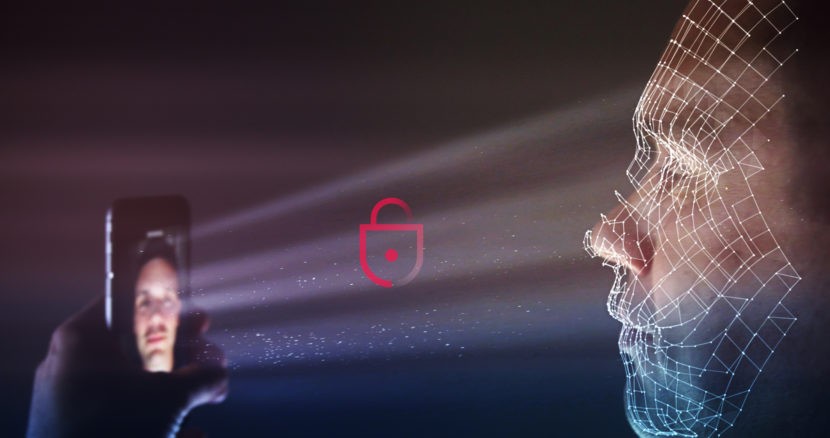
Introduction to Biometric Security
In an era where security and convenience are paramount, biometric security technologies have emerged as leading solutions. Fingerprints and facial recognition are at the forefront, offering advanced methods for securing personal and sensitive information. This article delves into the intricacies of biometric security, examining the potential of fingerprints and facial recognition as the future of security.
Understanding Biometric Security
Biometric security leverages unique physiological and behavioral characteristics to authenticate individuals. Unlike traditional methods such as passwords or PINs, biometrics provides a higher level of security due to its reliance on unique personal traits.
Types of Biometric Security
- Fingerprint Recognition
- Facial Recognition
- Iris Recognition
- Voice Recognition
- Behavioral Biometrics
While there are various types of biometric security, fingerprints and facial recognition are the most widely used and researched, offering a blend of accuracy, ease of use, and security.
Fingerprint Recognition: The Gold Standard
Fingerprint recognition has been a cornerstone of biometric security. Each individual’s fingerprint is unique, making it a reliable method for identification and authentication.
How Fingerprint Recognition Works
Fingerprint recognition systems capture an image of the fingerprint using sensors. These sensors can be optical, capacitive, or ultrasonic. The captured image is then converted into a digital format, creating a unique fingerprint template. During authentication, the system compares the stored template with the current fingerprint scan to verify identity.
Advantages of Fingerprint Recognition
- Uniqueness: Each fingerprint is unique, providing high accuracy.
- Convenience: Quick and easy to use, requiring minimal effort from the user.
- Cost-Effective: Widely available and relatively inexpensive technology.
Applications of Fingerprint Recognition
Fingerprint recognition is used in various applications, including:
- Smartphones: For unlocking devices and authorizing payments.
- Access Control: In secure areas such as offices and research facilities.
- Law Enforcement: For identifying individuals and verifying identities.
Facial Recognition: The Future of Security
Facial recognition technology has gained significant traction due to its non-intrusive nature and advancements in artificial intelligence (AI) and machine learning (ML).
How Facial Recognition Works
Facial recognition systems use cameras to capture an image of the face. The system then analyzes the facial features, such as the distance between the eyes, the shape of the nose, and the contour of the jawline, to create a unique facial template. During authentication, the system compares the live image with the stored template to verify identity.
Advantages of Facial Recognition
- Non-Intrusive: Does not require physical contact, enhancing user experience.
- Versatility: Can be used in various environments and applications.
- Integration with AI and ML: Improves accuracy and adaptability.
Applications of Facial Recognition
Facial recognition technology is employed in diverse fields, including:
- Surveillance: Enhancing security in public places such as airports and stadiums.
- Retail: For customer identification and personalized shopping experiences.
- Healthcare: For patient identification and secure access to medical records.
Comparative Analysis: Fingerprint vs. Facial Recognition
While both fingerprint and facial recognition technologies have their strengths, they also have specific use cases where one may be preferred over the other.
Accuracy and Reliability
- Fingerprint Recognition: Offers high accuracy due to the unique nature of fingerprints. However, it can be affected by factors such as dirty or damaged fingers.
- Facial Recognition: Also highly accurate, especially with advanced AI algorithms. However, it can be influenced by changes in lighting, facial hair, and expressions.
User Experience
- Fingerprint Recognition: Requires physical contact, which may not be ideal in all situations, especially in the context of hygiene.
- Facial Recognition: Contactless and seamless, providing a superior user experience. However, it requires high-quality cameras and lighting conditions.
Security
- Fingerprint Recognition: Hard to replicate and highly secure. However, fingerprint data, if compromised, cannot be changed.
- Facial Recognition: Offers robust security, but there are concerns about privacy and data misuse. It also requires measures to prevent spoofing attacks using photos or videos.
Future Prospects of Biometric Security
The future of biometric security is promising, with continuous advancements in technology enhancing both fingerprint and facial recognition systems.
Integration with Other Technologies
- AI and ML: Enhancing the accuracy and adaptability of biometric systems.
- Blockchain: Ensuring secure and tamper-proof storage of biometric data.
- IoT: Facilitating the integration of biometric security in smart devices and environments.
Emerging Trends
- Multimodal Biometrics: Combining multiple biometric traits for improved accuracy and security.
- Wearable Biometrics: Incorporating biometric sensors in wearable devices for continuous authentication.
- Biometric Payment Systems: Revolutionizing the payment industry with secure and convenient biometric authentication.
Challenges and Considerations
Despite the numerous benefits, there are challenges and considerations in the adoption of biometric security technologies.
Privacy Concerns
The collection and storage of biometric data raise significant privacy issues. Ensuring that data is securely stored and used ethically is paramount.
Data Security
Biometric data, if compromised, poses a severe security risk. Unlike passwords, biometric traits cannot be changed, necessitating robust security measures to protect this data.
Regulatory Compliance
Compliance with regulations such as GDPR is essential to ensure the ethical use of biometric data. Organizations must adhere to legal requirements and ensure transparency in their biometric practices.
Conclusion
Biometric security technologies, particularly fingerprint and facial recognition, represent the future of secure authentication. Their unique advantages, coupled with continuous advancements in technology, make them indispensable in various applications. However, addressing privacy, security, and regulatory challenges is crucial to realizing their full potential.