

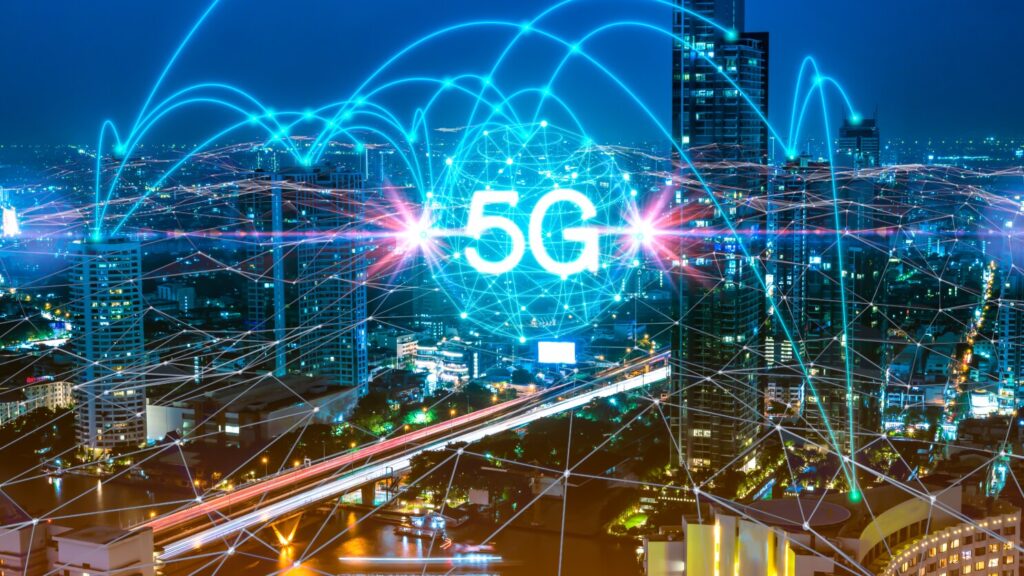
As urbanization accelerates globally, cities are evolving to become smarter, leveraging advanced technologies to improve infrastructure, services, and overall quality of life. Among these technologies, 5G stands out as a critical enabler for smart cities. The fifth generation of mobile network technology, 5G offers unparalleled speed, low latency, and massive connectivity, transforming urban landscapes into intelligent, responsive ecosystems. This article explores the pivotal role of 5G in driving the smart city revolution, highlighting its impact on various aspects of urban living.
1. Enhancing Connectivity and Communication
Ultra-Fast Internet Speeds
One of the most significant advantages of 5G is its ultra-fast internet speeds. With speeds up to 100 times faster than 4G, 5G enables seamless connectivity for both individuals and devices. This is essential for smart cities, where numerous connected devices and systems need to communicate and operate efficiently.
Low Latency for Real-Time Applications
5G technology offers low latency, meaning data transfer delays are minimized. This is crucial for real-time applications such as traffic management, emergency services, and autonomous vehicles, where split-second decisions can significantly impact outcomes.
2. Smart Infrastructure and IoT Integration
Internet of Things (IoT) Expansion
The proliferation of the Internet of Things (IoT) is a cornerstone of smart cities. 5G supports the connection of a vast number of IoT devices, from sensors and cameras to smart appliances and wearable technology. This extensive connectivity enables cities to collect and analyze data in real-time, leading to smarter decision-making and improved services.
Smart Grids and Energy Management
5G facilitates the development of smart grids, which are critical for efficient energy management. Smart grids can dynamically balance supply and demand, integrate renewable energy sources, and reduce energy wastage. This leads to more sustainable urban environments and significant cost savings for city administrations and residents.
3. Intelligent Transportation Systems
Autonomous Vehicles and Traffic Management
The low latency and high reliability of 5G networks are essential for autonomous vehicles. These vehicles rely on real-time data from sensors and other vehicles to navigate safely and efficiently. Additionally, 5G enables sophisticated traffic management systems that can optimize traffic flow, reduce congestion, and improve road safety by dynamically adjusting traffic signals and providing real-time information to drivers.
Public Transportation Optimization
5G also enhances public transportation systems by providing real-time updates on schedules, delays, and routes. Smart transportation apps, powered by 5G, can offer passengers accurate and timely information, improving the overall commuting experience and encouraging the use of public transport.
4. Improved Public Safety and Security
Real-Time Surveillance and Monitoring
5G enables the deployment of advanced surveillance systems that provide real-time video feeds and analytics. This is invaluable for public safety, as it allows for quicker response times in emergencies and more effective monitoring of public spaces to deter and detect criminal activities.
Emergency Services and Disaster Management
In the event of natural disasters or emergencies, 5G can enhance emergency response services by providing reliable communication networks and real-time data. First responders can benefit from augmented reality (AR) applications, which provide critical information overlays, improving situational awareness and response efficiency.
5. Enhancing Quality of Life
Smart Healthcare
5G revolutionizes healthcare delivery in smart cities by enabling telemedicine, remote patient monitoring, and real-time health data transmission. This allows for more efficient and accessible healthcare services, particularly for elderly and remote populations.
Education and E-Government Services
5G supports enhanced educational experiences through virtual classrooms and interactive learning environments. Additionally, it facilitates efficient e-government services, allowing citizens to access public services online, reducing bureaucracy and improving convenience.
6. Environmental Sustainability
Smart Waste Management
5G enables smart waste management systems that optimize waste collection routes, reduce fuel consumption, and minimize environmental impact. Sensors can monitor waste levels in real-time, ensuring timely and efficient waste collection.
Air Quality Monitoring
5G supports comprehensive air quality monitoring by connecting a network of sensors that provide real-time data on pollution levels. This information can be used to implement measures to reduce pollution and protect public health.
Conclusion
The integration of 5G technology is a fundamental driver of the smart city transformation. By providing ultra-fast connectivity, low latency, and the capacity to connect a vast number of devices, 5G enables a wide range of applications that enhance urban living. From smart infrastructure and intelligent transportation systems to improved public safety and environmental sustainability, the potential of 5G to revolutionize cities is immense. As cities continue to grow and evolve, 5G will play an increasingly critical role in creating urban environments that are more efficient, sustainable, and livable.